Fog types & formation
Fog = cloud with its base on the surface: visible water droplets at the surface that, unlike drizzle, do not fall (AWH 18.1.1).
- Forms when air cooled or moistened reaches its dew point: vapour condenses.
- Each type is a different route to the dew point.
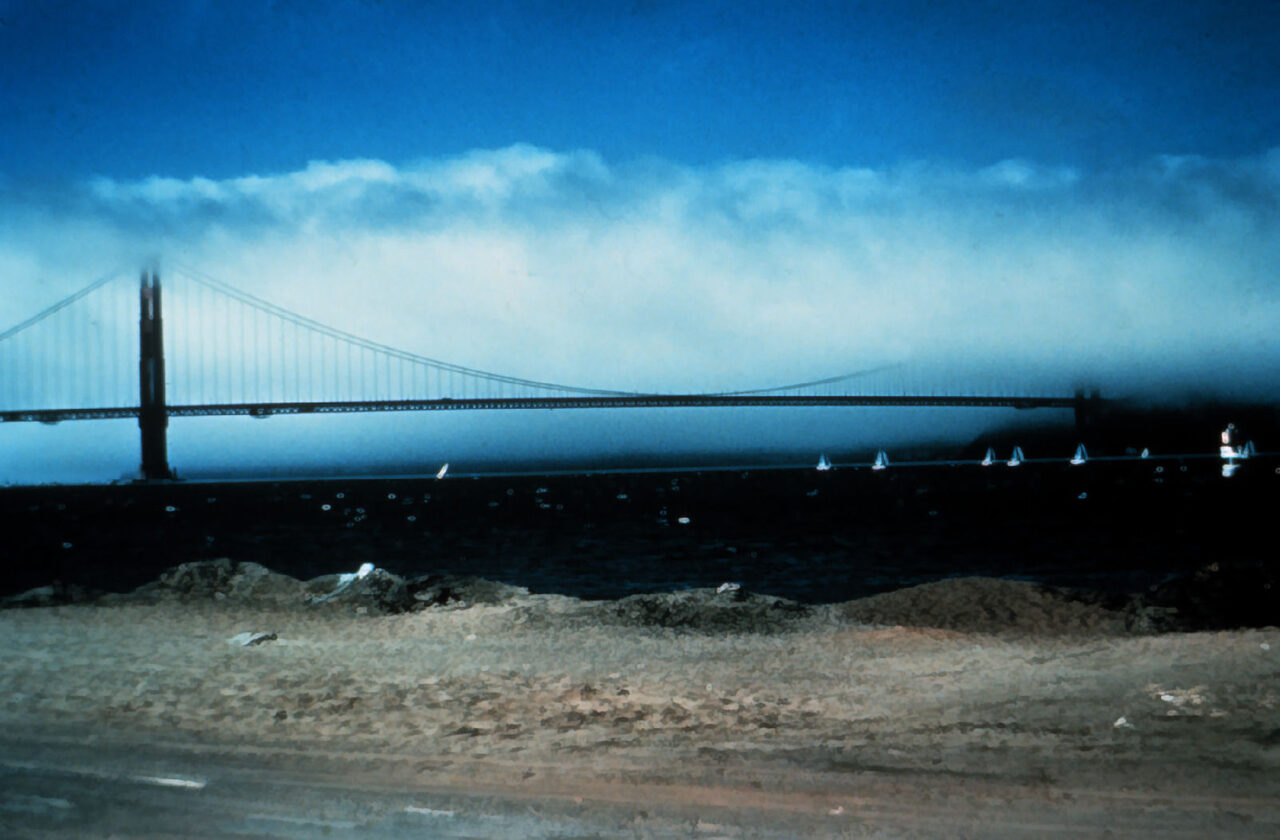
Only two routes to dew point (name the fog by which one):
| Route | Type | How it saturates | Key conditions |
|---|---|---|---|
| Cool the air | Radiation | ground radiates heat away at night, cools air to dew point | clear, light wind, humid, low ground; burns off by day; confined near ground = ground fog |
| Cool the air | Advection | warm moist air moves over a colder surface | breeze over cold water or snow; light wind deepens, strong wind lifts to low stratus; more extensive and persistent than radiation fog; any time of day or night |
| Cool the air | Upslope | moist stable air forced up terrain cools adiabatically | steady up-slope wind favours it; strong wind lifts to stratus; can form under cloudy skies; often dense, reaches high altitudes |
| Cool the air | Mountain/valley | cold air drains downslope overnight off the high ground, pools in valley, cools floor to dew point | most common autumn and spring; densest around sunrise (lowest surface temperature) |
| Cool the air | Freezing fog | supercooled water droplets, as radiation/advection fog but at or below 0°C | droplets freeze instantly on contact: ice on airframe in flight or taxiing unless treated or de-iced |
| Add moisture | Steam (sea smoke) | cold air over warm water: evaporates then recondenses | shallow, unstable layer: convective turbulence; can throw up whirling steam devils |
| Add moisture | Precipitation (frontal) | warm rain falls into cold air, evaporates to saturation | steady rain ahead of a warm front |
| - | Ice fog | supercooled droplets freeze straight into ice crystals (AWH 21.4.1) | very low temperatures, mostly arctic; rare warmer than −30°C; almost always present at −45°C near a moisture source (open water, animals, combustion) |
Rules:
- Radiation fog needs a light wind (FAA AWH):
- dead calm: fog stays shallow
- light wind: spreads cooling through a deeper layer, fog deepens
- strong wind: stirs damp air up into low stratus instead
- Advection vs steam fog are opposites:
- advection: warm air over cold surface (cools air)
- steam: cold air over warm water (adds moisture)
- Advection and upslope fog may not burn off with morning sun: both can persist for days, reach greater heights.
- Fog seldom forms when temperature/dew-point spread is greater than 2°C (4°F) (AWH 18.1.1).
Trap: radiation fog (still clear night over land, burns off by day) mixed up with advection fog (wind over cold surface, can last all day); ice fog (ice crystals, no liquid) mixed up with freezing fog (supercooled liquid that freezes on contact).
References
- FAA Aviation Weather Handbook (FAA-H-8083-28)
- FAA Pilot's Handbook of Aeronautical Knowledge (FAA-H-8083-25) ch.12